
Discounts
The best discounts this week
Every week you can find the best discounts here.
12%
Original price was: ₹550.00.₹485.00Current price is: ₹485.00.
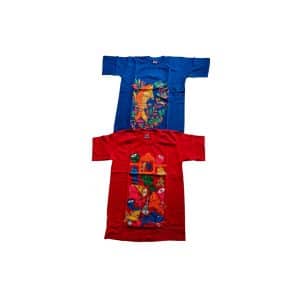
M- Blue + Red T-shirt
6%
Original price was: ₹385.00.₹365.00Current price is: ₹365.00.
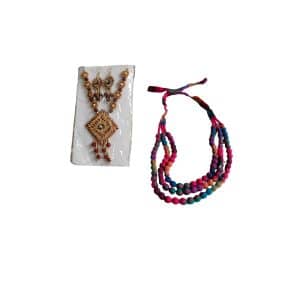
Paddy + Cloth Jewelry
7%
Original price was: ₹365.00.₹340.00Current price is: ₹340.00.
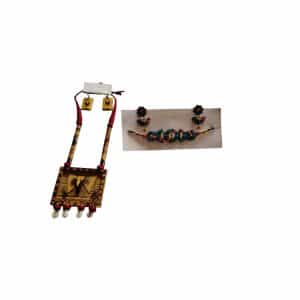
Bamboo + Terracotta Jewelry
14%
Original price was: ₹568.00.₹489.00Current price is: ₹489.00.
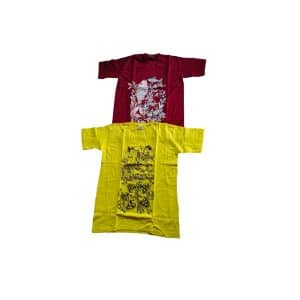
L – Lemon Yellow + Brown T-Shirts
New Arrival59%
Original price was: ₹410.00.₹170.00Current price is: ₹170.00.
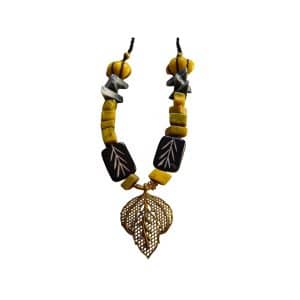
Rare Chemical Bead Necklace
New Arrival57%
Original price was: ₹440.00.₹190.00Current price is: ₹190.00.
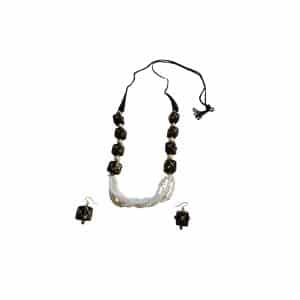
Unique Chemical Bead Set
Patachitra of Bengal

Patachitra is a traditional form of painting that originates from the state of West Bengal, India, particularly associated with the district of Bengal and Orissa. The name Patachitra is derived from two Sanskrit words: Pata (meaning canvas or cloth) and Chitra (meaning picture or painting). These paintings are characterized by intricate details, vibrant colors, and a strong narrative style.
Here’s a brief overview of this art form:
- Historical Significance
- Patachitra paintings have been around for centuries and are said to have originated during the 12th century, particularly in the temples of Puri in Odisha (near Bengal), though they are also prominent in Bengali art.
- The tradition is believed to be closely linked with temple art, and the motifs often include depictions of mythological stories, gods and goddesses, and scenes from Hindu epics like the Ramayana, Mahabharata, and the life of Lord Krishna.
- Materials & Techniques
- Canvas or Cloth: Traditionally, Patachitra paintings are created on cloth (often khadi or other types of fabric), though in modern times, paper and other materials are also used.
- Natural Colors: The colors used are made from natural sources, like stone, minerals, and plant extracts. For example, the reds are made from ochre, the yellows from turmeric, and the whites from powdered conch shells.
- Brushes: Fine brushes are used, which are often made from the hair of animals like squirrels.
- Vibrant Detailing: The paintings are noted for their precise, linear designs and are often bordered with intricate geometric patterns.
- Styles and Themes
- Mythological Narratives: These paintings often depict mythological tales, with a focus on deities like Lord Jagannath, Shiva, Krishna, and Durga.
- Pattachitra scrolls: These scrolls can be quite large and often depict a whole sequence of events, used for storytelling during festivals or religious ceremonies.
- Bandha: This refers to the intricate and delicate borders that are common in Patachitra art, featuring floral motifs, geometric patterns, and mythological characters.
- Cultural Relevance
- Sacred Art: Initially, Patachitra paintings had religious significance and were often used in temples for worship or as offerings.
- Fairs and Festivals: The scroll paintings are a major part of the cultural heritage and are often displayed in religious festivals like the Rath Yatra and other local fairs.
- Artisan Communities: The Patachitra art is practiced by skilled artisan families, especially in areas like Raghurajpur in Odisha and parts of Bengal. The art form has been passed down through generations.
- Modern Adaptation and Preservation
- In recent times, Patachitra art has expanded beyond religious contexts and is now used in decorative works, including wall hangings, cloth items like bags, and even as souvenirs for tourists.
- There are also efforts to preserve the craft by involving younger generations in learning the techniques and promoting the art on national and international platforms.
