
The best discounts this week
Every week you can find the best discounts here.
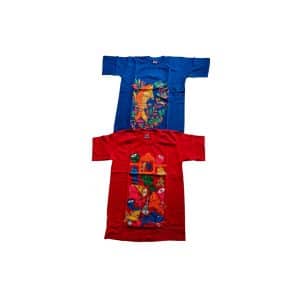
M- Blue + Red T-shirt
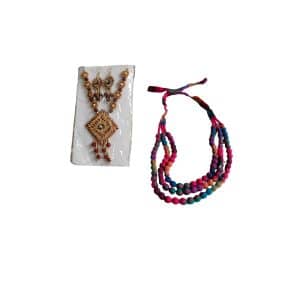
Paddy + Cloth Jewelry
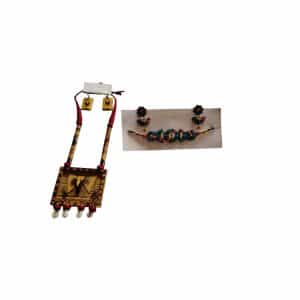
Bamboo + Terracotta Jewelry
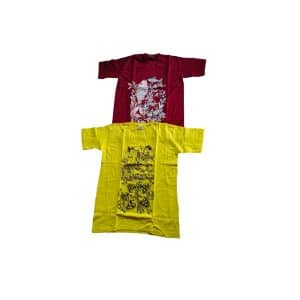
L – Lemon Yellow + Brown T-Shirts
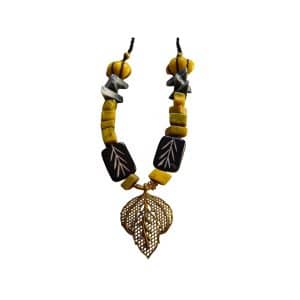
Rare Chemical Bead Necklace
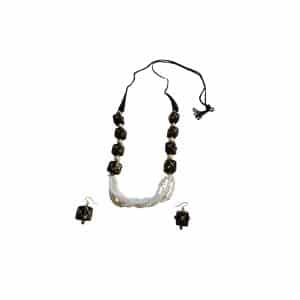
Unique Chemical Bead Set
Chhau Mask

The Chhau mask is a traditional mask used in Chhau dance, a vibrant and energetic folk dance form originating from Eastern India, particularly in the states of West Bengal, Odisha, and Jharkhand. Chhau dance is known for its martial arts movements, acrobatics, and dramatic performances, often based on mythological stories.
The masks worn in Chhau dance are quite distinctive and are integral to the performance. These masks represent various characters from mythology, including gods, demons, and animals. They are typically made from papier-mâché and painted with bright colors to create expressive facial features. The masks serve not just as a costume accessory but as a way to embody the character being portrayed, with exaggerated features to convey emotions clearly to the audience.
The design and color of the masks often indicate the nature of the character—heroic, villainous, or divine. For example, a mask of a warrior or a hero may feature sharp lines, strong expressions, and vivid colors, while the mask of a demon or villain may have exaggerated, grotesque features.
Chhau dance, including its use of masks, is not only a form of artistic expression but also a way to narrate epic stories and cultural traditions. The dance form itself is a combination of theatricality, martial arts, and ritualistic elements.
Chhau Dance
Chhau is a classical Indian dance form that blends martial arts, acrobatics, and storytelling. It is performed primarily in three regions of India: Bengal, Odisha, and Jharkhand, each having its distinct style of Chhau. Despite the regional differences, the dance shares some common features:
Styles of Chhau Dance:
- Purulia Chhau (West Bengal): Known for its martial arts techniques, it is the most vibrant of the Chhau styles. It incorporates vigorous footwork, acrobatics, and complex body movements.
- Seraikella Chhau (Jharkhand): This style is more refined and focuses on fluid body movements, with an emphasis on facial expressions. It often involves more storytelling elements.
- Mayurbhanj Chhau (Odisha): This style combines both martial and graceful dance movements. It is famous for its flexibility and use of intricate body postures.
Key Features of Chhau Dance:
- Martial Arts Influence: Chhau dance has a significant influence from martial arts, particularly the Kalaripayattu tradition. The dance movements often involve high jumps, spins, and swift footwork that resemble combat techniques.
- Performance Themes: Chhau dances typically portray mythological tales, epics, and legends from Hindu mythology, such as the Ramayana and Mahabharata. The dancers enact the roles of gods, demons, heroes, and animals.
- Costumes and Masks: Performers wear elaborate costumes and vibrant masks, often depicting the character they are portraying in the story.
- Music and Instruments: The dance is accompanied by traditional music, with instruments such as dhol, nagara, shehnai, and flutes. The rhythm and beats are synchronized with the movements of the dancers.
Chhau dance is considered not just an art form but also a celebration of culture and tradition. It’s often performed during festivals and cultural gatherings.
Chhau Mask-Making Process
The masks used in Chhau dance are one of the most iconic elements of the dance. The mask-making process is an intricate art form, and the masks are known for their vivid colors, expressive faces, and symbolic designs. Here’s how the masks are generally made:
Materials Used:
- Papier-Mâché: This is the primary material used to make Chhau masks. It is lightweight and can be easily molded into different shapes. The process involves layering strips of paper dipped in a glue or flour paste over a mold or framework.
- Wood and Bamboo: Some masks are reinforced with wooden frames or bamboo structures to give them strength and shape.
- Natural Paints and Pigments: The colors used in the mask are typically derived from natural sources like vegetables, minerals, and other locally available resources. Bright colors are often used to highlight the character traits (e.g., red for warriors, black for demons).
Steps in Mask-Making:
- Molding the Base Shape:
- The mask-making begins with creating a basic mold or structure, often using papier-mâché. This mold is usually based on a wooden or metal frame that shapes the mask and gives it its final dimensions.
- The mask is shaped to be large enough to cover the dancer’s face and to exaggerate the features of the character being portrayed.
- Layering the Papier-Mâché:
- Once the base structure is in place, strips of paper are dipped in a paste (often made from flour and water or glue) and applied in layers over the mold. Each layer is carefully smoothed out to avoid air bubbles and to ensure the mask’s durability.
- Several layers are added to give the mask enough strength to withstand wear and tear during performances.
- Shaping the Features:
- After the papier-mâché layers dry and harden, the mask’s facial features are molded. This includes creating exaggerated eyes, noses, and mouths to express emotions clearly from a distance.
- The eyes are often large and expressive, while the mouth might be open or grimacing, depending on the character.
- Drying and Hardening:
- The mask is left to dry completely, often in the sun. The hardening process ensures that the mask maintains its shape and is strong enough for use during performances.
- Painting and Decorating:
- Once the mask is dry and hardened, it is painted with bright, bold colors. The colors used can symbolize different character traits. For example, gods might have golden or yellow faces, while demons could have dark or red faces.
- Intricate details, such as eyes, teeth, and hair, are painted or added using other materials like feathers or fabric to enhance the visual appeal.
- Final Touches:
- After the paint dries, the mask may be adorned with decorative elements such as fabric, beads, or additional accessories to complete the look of the character.
- Some masks have special features like horns, crowns, or armor depending on the character being depicted.
Symbolism of Mask Designs:
- The design of each mask is meant to symbolize the essence of the character. For example:
- Divine characters are often depicted with serene, powerful expressions.
- Demonic characters might have fierce, terrifying faces, with sharp features to evoke fear.
- Heroes are often shown with bold and proud facial expressions, featuring prominent facial lines to indicate strength and valor.
The mask-making tradition is highly specialized, and in many cases, the artisans who create these masks belong to specific families or communities that have passed down the craft through generations. The masks are not only artistic but are integral to the performance, helping dancers embody their roles with much more intensity and drama.
